Why Are Japanese Rice Cookers Better? Key Benefits, Features and Overseas Buying Guide
If you cook rice regularly at home, especially white rice, short-grain rice, Japanese rice, sushi rice or brown rice, a Japanese rice cooker can usually deliver more consistent rice texture than a basic rice cooker. The value of a Japanese rice cooker is not simply that it “cooks rice”, but that it manages the full cooking process more carefully: water absorption, heating, boiling, steaming and keep-warm. With technologies such as microcomputer control, IH induction heating, pressure cooking, thick inner pots and advanced keep-warm functions, Japanese rice cookers are designed to help rice cook more evenly and consistently. For overseas Chinese families, choosing a suitable 220–240V model also avoids the risk of using Japanese domestic 100V appliances in the UK, Europe, Australia or New Zealand.

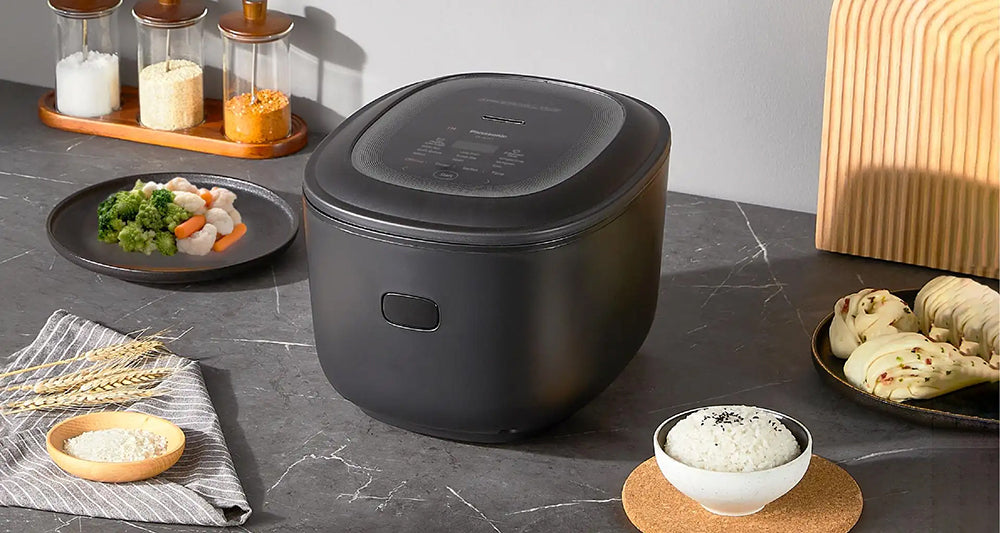
Japanese rice cookers focus on rice texture, heating control, keep-warm performance and rice cooking modes, making them especially suitable for overseas Asian households.
Key Takeaways
- The core benefit of Japanese rice cookers: they do more than cook rice; they control water absorption, heating, steaming and keep-warm stages.
- Different technology levels: Micom / Fuzzy Logic, IH and pressure IH rice cookers suit different cooking habits and expectations.
- Overseas buying tip: for the UK, Europe, Australia and New Zealand, choose a rice cooker clearly marked for 220–240V use.
What is the difference between a Japanese rice cooker and a basic rice cooker?
Many basic rice cookers mainly rely on bottom heating to cook rice. They are usually simple to use and more affordable, but their performance may be limited when it comes to rice texture, even heating, keep-warm quality and rice-specific cooking modes.
Japanese rice cookers usually place more emphasis on the entire cooking process, including soaking, temperature rise, boiling, steaming and keep-warm. Depending on the brand and model, you may see technologies such as Micom / Fuzzy Logic microcomputer control, IH induction heating, pressure IH, thick inner pots, multiple rice modes and advanced keep-warm functions.
In simple terms, a basic rice cooker is mainly designed to “cook rice until done”, while a well-designed Japanese rice cooker aims to cook rice with a more consistent and desirable texture.
| Comparison | Basic Rice Cooker | Japanese Rice Cooker |
|---|---|---|
| Heating method | Usually bottom heating | May include Micom, IH or pressure IH technologies |
| Rice texture | Depends heavily on water level and rice type; consistency may be limited | More refined control over absorption, heating and steaming |
| Rice cooking modes | Usually fewer modes | Often includes white rice, brown rice, porridge, sushi rice, mixed grain rice and more |
| Keep-warm performance | Basic keep-warm function | Greater focus on keeping rice texture stable after cooking |
| Inner pot design | Usually simpler | Often features thick inner pots, special coatings or heat distribution designs |
| Best suited for | Occasional rice cooking and simple needs | Families who cook rice regularly and care about rice texture |
Why does rice cooked in a Japanese rice cooker usually taste more consistent?
Good rice is not only about the amount of water used. During cooking, rice grains first absorb water, then go through heating, boiling, steaming and finally the keep-warm stage. If the heat rises too quickly or is not evenly distributed, the rice may become dry on top, too wet at the bottom, less plump, or harder and drier after being kept warm.
The advantage of a Japanese rice cooker is that it lets the machine manage these details. Better models can adjust heating time and power based on temperature changes, cooking modes and rice type settings. For everyday cooking, this helps reduce inconsistency from one batch of rice to another.
Based on OurDearHome’s experience selling Japanese small appliances, many overseas customers are not simply asking whether a rice cooker can cook rice. They are asking whether the rice will taste closer to what they remember from Hong Kong, Japan or Asian family meals. This is one reason why many overseas Chinese families choose Japanese brands such as Zojirushi, Tiger and Panasonic.
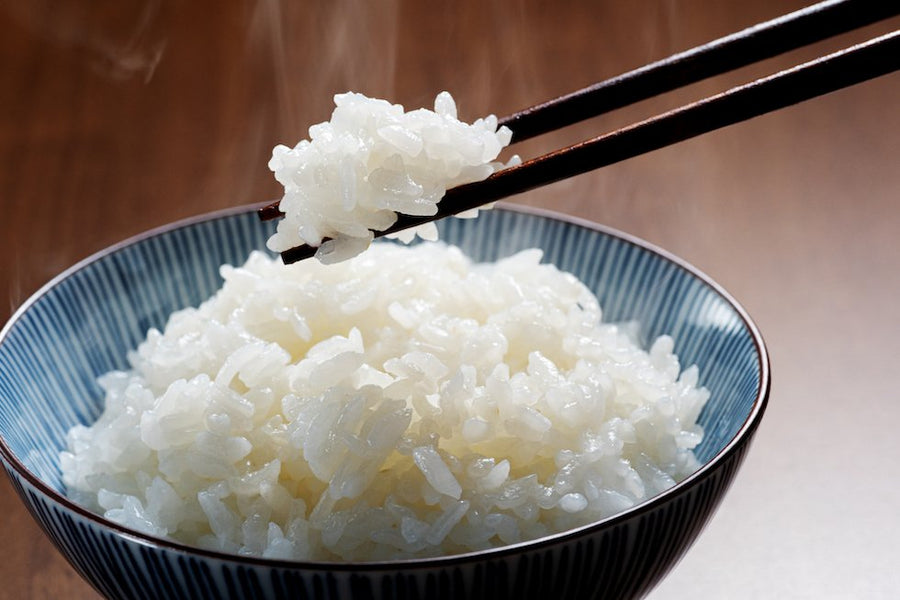
Rice texture is affected by rice type, water level, absorption, heating and steaming. Japanese rice cookers are valued for their ability to control these stages more consistently.
When overseas Chinese customers ask about rice cookers, the most common questions are not only about capacity. They often ask whether the rice cooker is good for Japanese rice, whether rice becomes dry after keep-warm, and whether the appliance is suitable for UK, Australian or European voltage.
What are the common features of Japanese rice cookers?
Japanese rice cookers vary significantly by model. Entry-level models may not always include IH or pressure functions, but even basic Micom / Fuzzy Logic models usually offer more refined control than simple mechanical rice cookers. Below are some common features to consider.
What is IH induction heating?
IH stands for Induction Heating. Unlike traditional rice cookers that rely mainly on a heating plate at the bottom, an IH rice cooker uses electromagnetic heating to heat the inner pot itself. This allows heat to be transferred more directly and evenly.
The benefits of IH rice cookers usually include:
- Faster heating response
- More even heat distribution
- More consistent rice texture
- Suitable for households that often cook white rice, Japanese rice, short-grain rice or sushi rice
If you cook rice frequently and care about plumpness, elasticity and evenness, an IH rice cooker is usually worth considering over a basic bottom-heating model.

IH and pressure IH models use more refined heating control to help rice cook more evenly.

A practical IH choice for everyday family use
Panasonic Diamond Kamado IH Rice Cooker with Healthy Mode | SR-HBA Series is suitable for families who want balanced functions, easy operation and stable IH heating performance.
View ProductWhat does pressure IH / variable pressure do?
A pressure IH rice cooker adds pressure control on top of IH heating. By increasing pressure inside the cooker, the boiling point of water rises, allowing the rice grains to cook at a higher temperature and pressure. Some higher-end models also adjust pressure at different cooking stages, helping rice become more plump and elastic. This can also be useful for brown rice, mixed grain rice and other grains that are harder to cook through.
Pressure IH is especially suitable for:
- People who are particular about white rice texture
- Families who often eat Japanese rice, short-grain rice or pearl rice
- Households that cook brown rice, mixed grain rice or different rice types
- Users who want more advanced rice cooking control

A pressure IH choice for premium rice texture
Zojirushi Pressure IH Rice Cooker | NP-BSQ Series is suitable for families who value rice texture, keep-warm stability and advanced pressure IH cooking.
View Product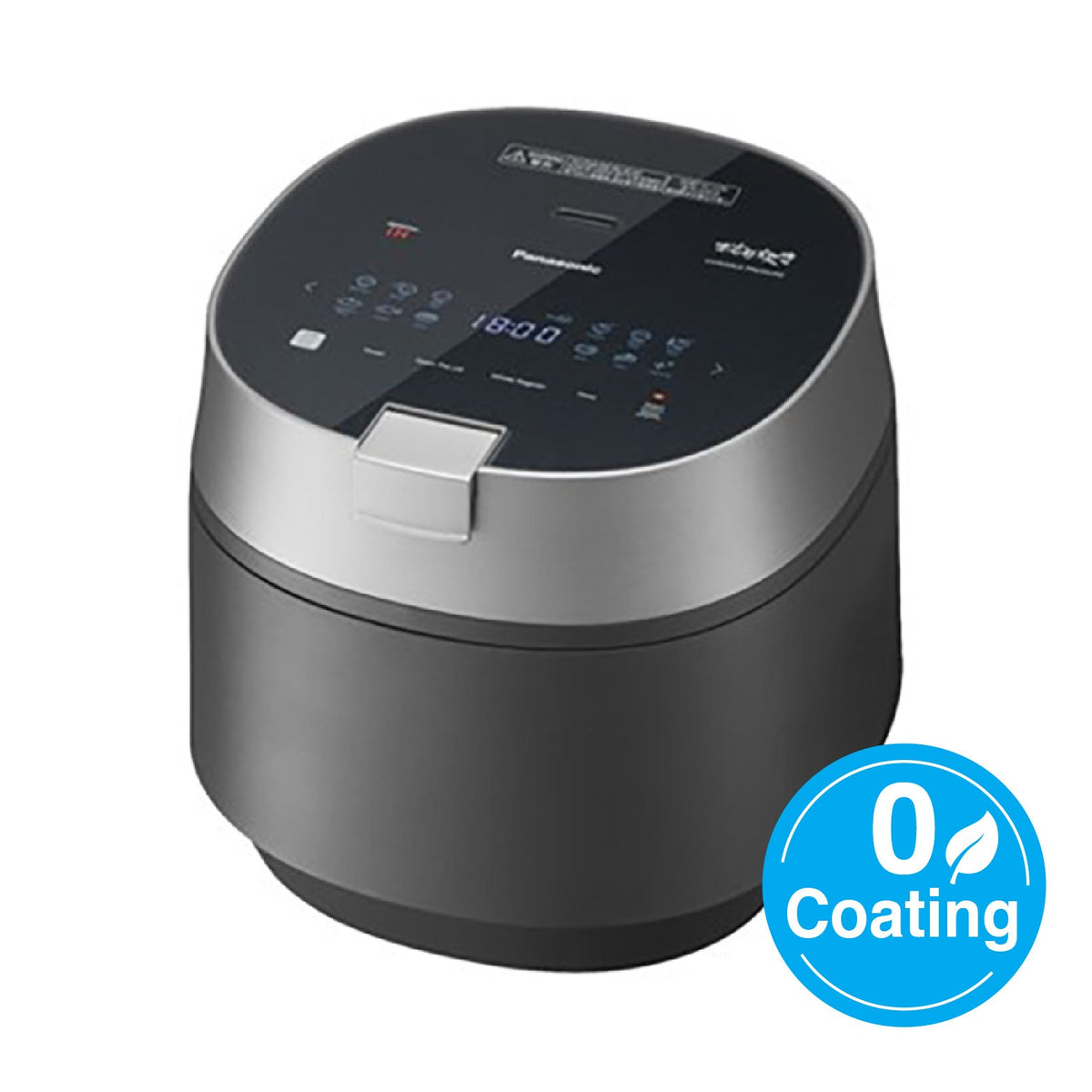
For those who care about inner pot material and pressure IH cooking
Panasonic 0 Coating IH Pressure Rice Cooker | SR-N335DH is suitable for users who want pressure IH functionality and pay particular attention to inner pot material and daily care.
View ProductWhat is Fuzzy Logic / Micom control?
Micom stands for microcomputer. Fuzzy Logic generally refers to a rice cooker’s ability to make flexible adjustments based on temperature changes during the cooking process.
In simple terms, a Fuzzy Logic / Micom rice cooker is smarter than a traditional on/off rice cooker. Instead of relying on one fixed heating process, it controls heating time, power and steaming stages according to the selected cooking mode.
This type of rice cooker is usually suitable for:
- Users upgrading from a basic rice cooker
- Families who mainly cook white rice, porridge and simple meals
- People who do not necessarily need IH or pressure IH but still want more consistent rice cooking
- Users who prefer practical functions and simple operation

A practical upgrade from a basic rice cooker
Tiger Tacook Rice Cooker | JBV-S Series is suitable for families who want practical functions, simple operation and the ability to combine rice cooking with everyday meal preparation.
View ProductWhy is the inner pot important?
The inner pot is one of the most important parts of a Japanese rice cooker. Different brands may use different thicknesses, shapes, heat distribution structures or coatings, such as thick inner pots, black thick pots, Binchotan charcoal concepts, diamond coatings, clay-pot-inspired designs or coating-free inner pots.
The inner pot can help:
- Distribute heat more evenly
- Improve heat retention
- Work together with IH or pressure heating technology
- Reduce uneven heating
- Affect rice texture during steaming and keep-warm
However, a thicker pot is not automatically better in every case. It should be considered together with the heating method, capacity, brand design and daily cooking habits. When choosing a rice cooker, look at the heating technology, inner pot structure, rice modes and care requirements together.

Inner pot design can affect heat retention, heat distribution and rice texture after keep-warm, but correct use and cleaning are still important.
Are multiple rice and cooking menus useful?
Many Japanese rice cookers can do more than cook plain white rice. Depending on the model, they may offer modes such as:
- White rice
- Quick cooking
- Brown rice
- Mixed grain rice
- Sushi rice
- Porridge
- Takikomi rice
- Cake
- Steaming or synchronised cooking, depending on the model
For overseas Chinese families, these functions can be very practical. Many households do not only cook white rice every day; they may also cook porridge, brown rice, mixed grain rice, Japanese-style takikomi rice or want to simplify everyday meal preparation with one appliance.

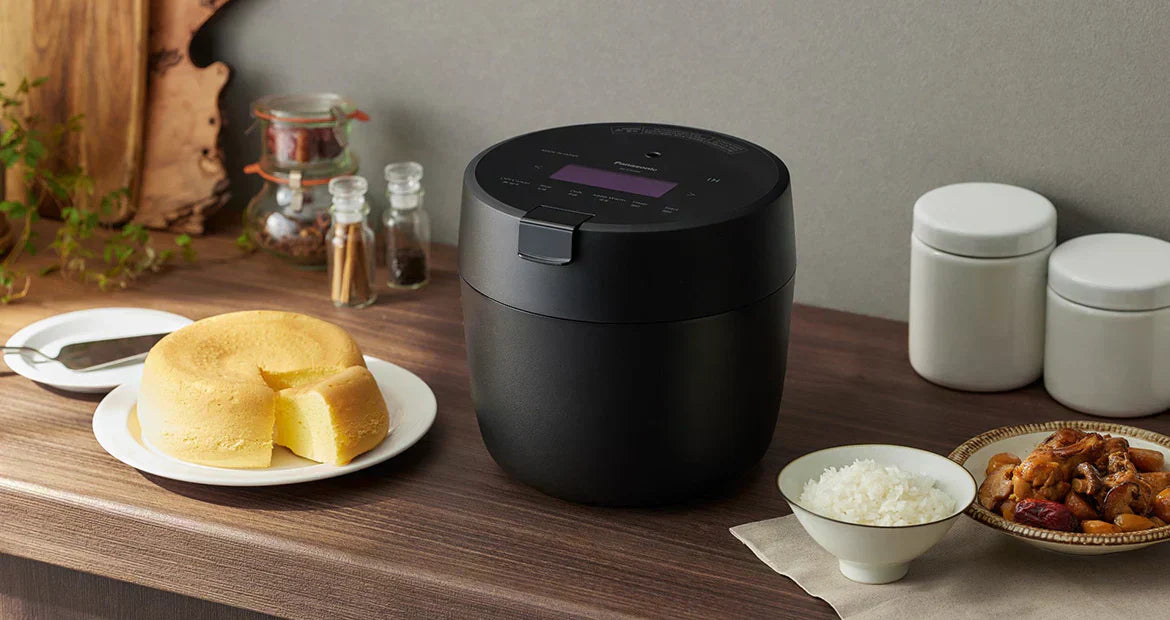
Different Japanese rice cooker models may support white rice, porridge, brown rice, takikomi rice, synchronised cooking or other multi-cooking menus.
For example, the Tiger Tacook Series is designed around the concept of synchronised cooking, making it useful for families who want to save time and prepare more than rice with one appliance.
Who are Japanese rice cookers suitable for?
1. Families who cook rice regularly
If you cook rice several times a week, or even every day, consistency matters. A good Japanese rice cooker can help produce more stable rice texture and reduce noticeable differences caused by water level, rice type or keep-warm time.
2. Overseas Chinese, Hong Kong and Asian households
In the UK, Europe, Australia or New Zealand, rice cookers are easy to find, but many basic models are not designed specifically for Asian-style rice texture. If you often eat short-grain rice, Japanese rice, sushi rice or pearl rice, a Japanese rice cooker is usually better suited to your daily needs.
3. People who care about white rice texture
Some people are very sensitive to rice texture. They may prefer rice grains that are distinct but not dry, soft but not mushy, and still pleasant after being kept warm. These users are more likely to notice the difference between Micom, IH and pressure IH models.
4. Users who want to cook different grains and dishes
If you cook more than white rice, such as porridge, brown rice, mixed grain rice, sushi rice, takikomi rice or other rice cooker dishes, a multifunctional Japanese rice cooker can be more useful than a single-function model.
5. Families looking for a reliable long-term kitchen appliance
A rice cooker is an appliance many families use every day. Instead of frequently replacing basic models, many households choose a Japanese rice cooker with more complete functions, stable keep-warm performance and a better inner pot design as a long-term kitchen appliance.
How should you choose the right level of Japanese rice cooker?
Japanese rice cookers are not always high-end or expensive. Different families can choose different types based on cooking habits, household size, rice texture expectations, kitchen space and budget.
| Rice Cooker Type | Best Suited For | Main Features |
|---|---|---|
| Micom / Fuzzy Logic | Users upgrading from a basic rice cooker; everyday rice cooking | Microcomputer control, practical basic modes, simple operation |
| IH Rice Cooker | Frequent rice cooking and users who care about rice texture | Induction heating, more even heat distribution, more consistent rice texture |
| Pressure IH Rice Cooker | Users with higher rice texture expectations or those who cook different grains | Pressure control for fuller, more elastic rice texture |
| Mini Multifunction Rice Cooker | 1–2 people, small households, dormitories or limited kitchen space | Compact size, suitable for small portions and simple everyday cooking |
If you simply want to upgrade from a basic rice cooker, you do not necessarily need to start with the highest-end pressure IH model. Entry to mid-level Japanese rice cookers can already provide more refined cooking control and more practical modes.
If you cook rice every day and care about white rice texture, keep-warm performance, brown rice or Japanese rice, an IH or pressure IH model may be more suitable.
If you live alone, cook for two, have limited kitchen space or only need small portions of rice, porridge and simple meals, a mini multifunction rice cooker may be a good fit.
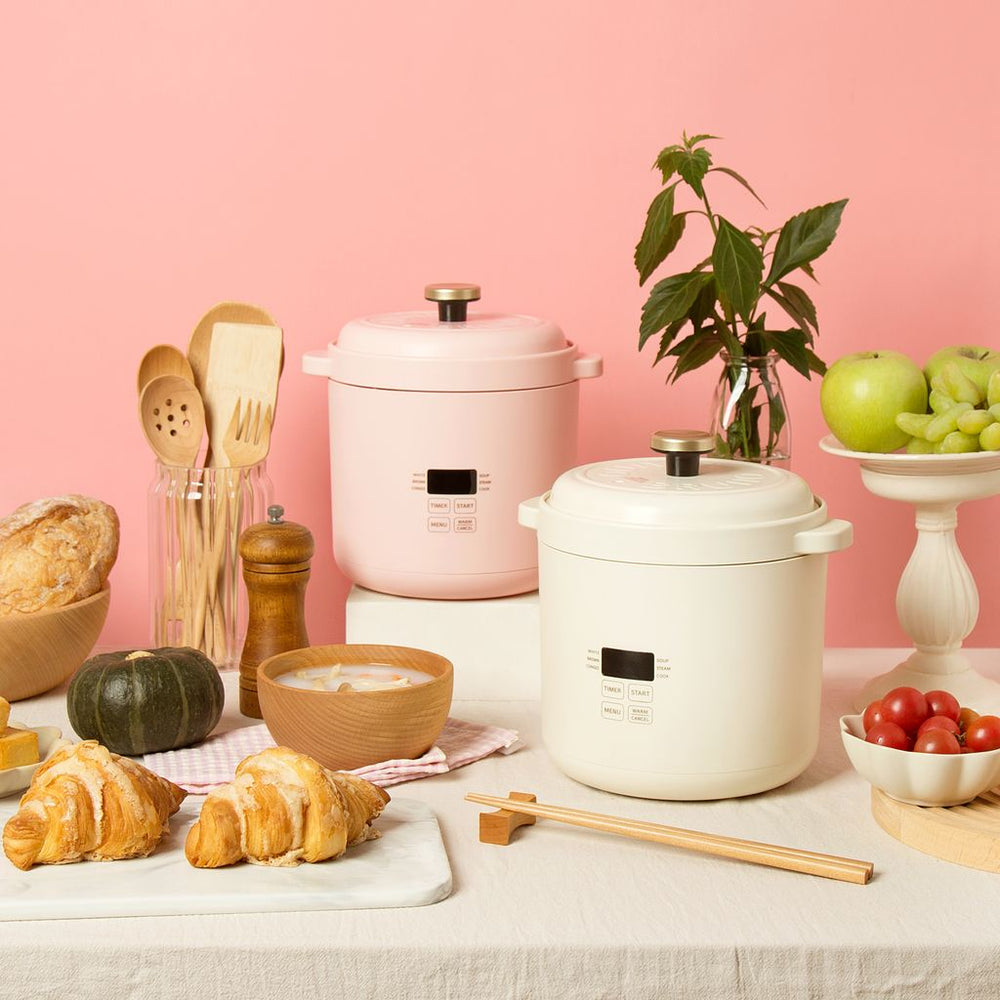
A compact choice for 1–2 people or small kitchens
BRUNO Mini Digital Rice Cooker | BOE127 is suitable for one to two people, dormitories, small kitchens or users who want a compact and stylish rice cooker for everyday use.
View ProductWhat is the difference between Zojirushi, Tiger and Panasonic rice cookers?
Zojirushi, Tiger and Panasonic are all well-known Japanese appliance brands among overseas Chinese households, but their rice cookers have different strengths. Instead of asking which brand is “the absolute best”, it is better to choose based on your cooking habits and feature needs.
| Brand | Main Strengths | Best Suited For |
|---|---|---|
| Zojirushi | Rice texture, keep-warm stability and mature cooking control | Families who care most about white rice quality and cook rice regularly |
| Tiger | Inner pot technology, multifunction cooking and practical Tacook design | Users who want both rice cooking and everyday meal preparation functions |
| Panasonic | Practical features, easy operation, IH heating and health-oriented cooking modes | Families who want balanced functions and easy daily use |
| BRUNO | Compact design, stylish appearance and multifunction cooking for small households | One to two people, small kitchens and users who care about design |
Zojirushi: for rice texture and keep-warm stability
Zojirushi is one of the first brands many people think of when Japanese rice cookers are mentioned. Its rice cookers often focus on refined cooking control, IH or pressure IH heating, different rice modes and mature keep-warm technology.
If your priority is rice texture, such as whether the rice grains are plump and whether the rice still tastes good after keep-warm, Zojirushi is worth considering. You may consider the Zojirushi Pressure IH Rice Cooker | NP-BSQ Series or the Zojirushi IH Rice Cooker | NW-QAQ Series.
Tiger: for practical cooking functions and Tacook convenience
Tiger rice cookers often focus not only on rice cooking, but also on practical meal preparation functions. For example, Tacook models can support synchronised cooking, which is useful for busy families, working adults or anyone who wants to simplify dinner preparation.
If you want a rice cooker that does more than cook white rice, the Tiger Tacook Rice Cooker | JBV-S Series is a practical option.
Panasonic: for balanced features and easy everyday use
Panasonic Japanese appliances are often known for being practical, reliable and easy to operate. Its IH and pressure rice cookers are suitable for families who want complete features without overly complicated operation.
If you want a balanced Japanese rice cooker for daily family use, you may consider the Panasonic Diamond Kamado IH Rice Cooker with Healthy Mode | SR-HBA Series or the Panasonic 0 Coating IH Pressure Rice Cooker | SR-N335DH.
What should you check when buying a Japanese rice cooker overseas?
When buying a Japanese rice cooker overseas, the most important point is not the brand, but the voltage.
Appliances for the Japanese domestic market are usually 100V. If a Japanese domestic 100V rice cooker is plugged directly into a 220–240V socket in the UK, Europe, Australia or New Zealand, it may cause damage or create safety risks.
Overseas households should choose models clearly marked for the correct local voltage, rather than relying on a transformer for long-term everyday use.
Before buying, check:
- Whether the voltage is 220–240V
- Whether the frequency is suitable for your country
- Whether the plug type is suitable, or whether an appropriate arrangement is provided
- Whether the product is intended for overseas use
- Whether the interface or manual is suitable for your needs
- Whether warranty and after-sales support apply to your location
OurDearHome specially selects Japanese rice cookers suitable for 220–240V overseas markets, helping customers in the UK, Europe, Australia and New Zealand avoid the risk of buying Japanese domestic 100V models by mistake.

When buying a Japanese rice cooker overseas, always confirm that the model is suitable for 220–240V markets.
How does OurDearHome recommend choosing a rice cooker?
If you are not sure which type of Japanese rice cooker to choose, you can start with the following simple guide.
If you want to upgrade from a basic rice cooker
Consider a Micom / Fuzzy Logic model first. These rice cookers usually offer smarter control than basic models and are suitable for everyday white rice, porridge and simple meals. Recommended option: Tiger Tacook Rice Cooker | JBV-S Series.
If you care about white rice texture and keep-warm stability
Consider an IH rice cooker. IH heating is more even and is suitable for families who cook rice frequently and care about rice texture and keep-warm performance. Recommended options: Zojirushi IH Rice Cooker | NW-QAQ Series or Panasonic Diamond Kamado IH Rice Cooker with Healthy Mode | SR-HBA Series.
If you have higher expectations for rice texture
Consider a pressure IH rice cooker. This type is suitable for people who often eat Japanese rice, short-grain rice, brown rice or mixed grain rice, or who want fuller and more elastic rice texture. Recommended options: Zojirushi Pressure IH Rice Cooker | NP-BSQ Series or Panasonic 0 Coating IH Pressure Rice Cooker | SR-N335DH.
If you cook for one to two people or have limited kitchen space
If you live alone, cook for two or have limited kitchen space, a mini multifunction rice cooker may be more suitable. It may not focus on the most advanced cooking technology, but it has advantages in size, appearance and everyday convenience. Recommended option: BRUNO Mini Digital Rice Cooker | BOE127.
FAQ: Common Questions About Japanese Rice Cookers
Q: Are Japanese rice cookers really better than basic rice cookers?
A: If you only cook rice occasionally, a basic rice cooker may be enough. However, if you cook rice regularly and care about rice texture, keep-warm performance, different rice modes and long-term consistency, Japanese rice cookers usually have clear advantages. Micom, IH and pressure IH models offer more refined cooking control than basic on/off rice cookers.
Q: What is the difference between an IH rice cooker and a basic rice cooker?
A: A basic rice cooker usually heats from a bottom heating plate, while an IH rice cooker uses induction heating to heat the inner pot itself. IH heating responds quickly and distributes heat more evenly, which usually helps produce more consistent rice texture.
Q: Is a pressure IH rice cooker worth buying?
A: If you are particular about rice texture and often cook Japanese rice, short-grain rice, brown rice or mixed grain rice, a pressure IH rice cooker is worth considering. It uses pressure and temperature control to help rice grains cook more thoroughly and become fuller and more elastic. If you only cook rice occasionally, an entry or mid-level Japanese model may already be practical enough.
Q: Who is a Fuzzy Logic / Micom rice cooker suitable for?
A: A Fuzzy Logic / Micom rice cooker is suitable for users who want to upgrade from a basic rice cooker but do not necessarily need IH or pressure IH. It uses microcomputer control to manage the cooking process more intelligently, making it suitable for everyday white rice, porridge and simple meals.
Q: Can Japanese rice cookers be used in the UK, Europe or Australia?
A: Yes, but you must choose a model suitable for local voltage. The UK, Europe, Australia and New Zealand usually use 220–240V electricity, while Japanese domestic rice cookers are usually 100V. Do not plug a Japanese domestic 100V model directly into an overseas socket. Always check voltage, frequency, plug type and warranty support before buying.
Q: Should I choose a 5.5 cup or 10 cup rice cooker?
A: In general, a 5.5 cup / 1.0L rice cooker is suitable for two to four people and is the most common family size. A 10 cup / 1.8L model is more suitable for larger families, frequent entertaining, cooking porridge or preparing larger portions at once. Also consider kitchen space and your actual daily rice consumption.
Q: What else can a Japanese rice cooker cook besides white rice?
A: Depending on the model, many Japanese rice cookers can cook porridge, brown rice, mixed grain rice, sushi rice, takikomi rice, cake, steaming dishes, synchronised cooking or other menu items. Always check the individual product page and cooking menu before purchasing.
Related Reading: Japanese Rice Cooker Buying Guide Series
Once you understand the key benefits of Japanese rice cookers, the next important step is to check the voltage for overseas use. For the UK, Europe, Australia and New Zealand, you should choose a 220–240V overseas model and avoid accidentally buying a Japanese domestic 100V rice cooker.
Conclusion: The value of a Japanese rice cooker is consistent, better rice
The advantage of a Japanese rice cooker is not only the brand name, but the attention given to the details of rice cooking. From Micom / Fuzzy Logic microcomputer control to IH induction heating, pressure IH, thick inner pots, multiple rice modes and keep-warm technology, these features are designed to help rice cook more evenly, taste more consistent and remain convenient for everyday use.
For overseas Chinese families, the most important buying point is to choose a model suitable for 220–240V markets and avoid purchasing Japanese domestic 100V appliances by mistake. By choosing according to household size, cooking frequency, rice texture expectations and functional needs, a good Japanese rice cooker can become one of the most useful everyday appliances in your kitchen.
Want to cook rice overseas with a texture closer to Asian family meals?
Browse OurDearHome’s selected 220–240V Japanese rice cookers, including Zojirushi, Tiger, Panasonic and BRUNO.
Browse Japanese Rice Cookers