What Size Dehumidifier Do You Need? 10L / 16L / 23L Capacity Buying Guide
Whether you live in the UK, Europe or Hong Kong, one of the most common questions when buying a dehumidifier is: “What size dehumidifier do I need?” A 10L, 16L or 23L rating does not usually refer to the water tank size. It normally means how much moisture the dehumidifier can remove from the air per day under specific test conditions. UK and European homes often deal with winter window condensation, damp bedrooms and indoor laundry drying, while Hong Kong homes may face high humidity, rainy seasons and long periods of damp weather. This guide compares 10L, 16L and 23L dehumidifiers by room size, dampness level and everyday use.

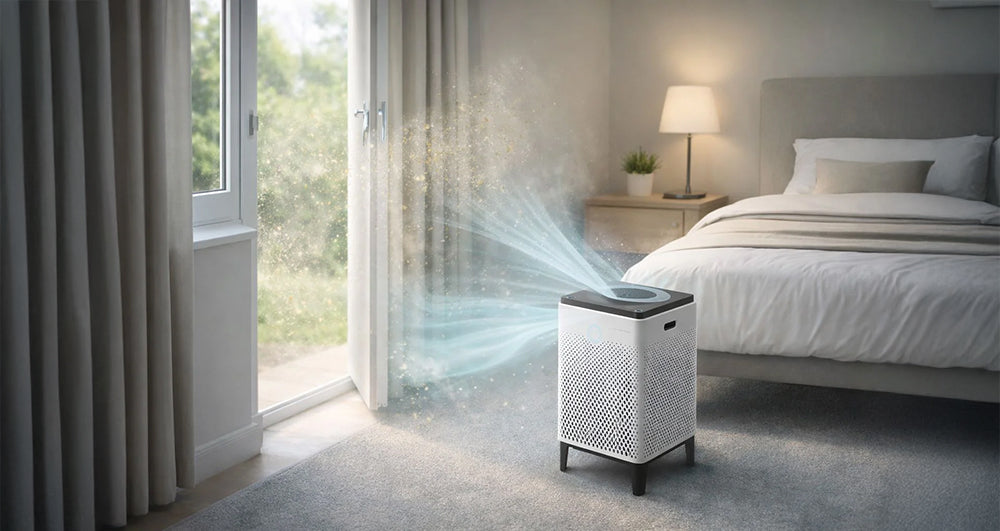
When choosing a dehumidifier, consider room size, humidity level, laundry drying needs and your local climate.
Key Takeaways
- 10L–13L: suitable for small bedrooms, studies, single rooms or mildly damp spaces.
- 16L: suitable for medium rooms, everyday home use and bedrooms with occasional laundry drying.
- 23L or above: suitable for living rooms, large rooms, frequent indoor laundry drying, heavy dampness or high-humidity environments.
What does the “L” rating on a dehumidifier mean?
The 10L, 16L or 23L rating on a dehumidifier usually refers to its daily dehumidifying capacity. In other words, it means how much moisture the machine can remove from the air in one day under specific test conditions. It is not the same as the water tank capacity.
For example, a dehumidifier marked as 16L/day means it can remove around 16L of moisture per day under the stated temperature and humidity conditions. However, its water tank may only be around 4L, 5L or 5.5L. This is why it is important to understand the difference between “daily extraction capacity” and “water tank capacity”.
A 10L dehumidifier does not mean the water tank holds 10L. It means the machine can remove up to around 10L of moisture per day under specified test conditions.
Actual performance depends on many factors, including room size, indoor temperature, humidity level, ventilation, wall and window conditions, whether you dry laundry indoors, and where the dehumidifier is placed. The litre rating is useful, but it should not be the only factor in your decision.
What are 10L, 16L and 23L dehumidifiers suitable for?
The room sizes below are only general guidelines. Actual results may vary depending on humidity, temperature, ventilation, building structure, windows and daily usage. If your room is very damp, you often dry laundry indoors, or you have visible window condensation, it is usually better to choose a slightly higher capacity than room size alone suggests.

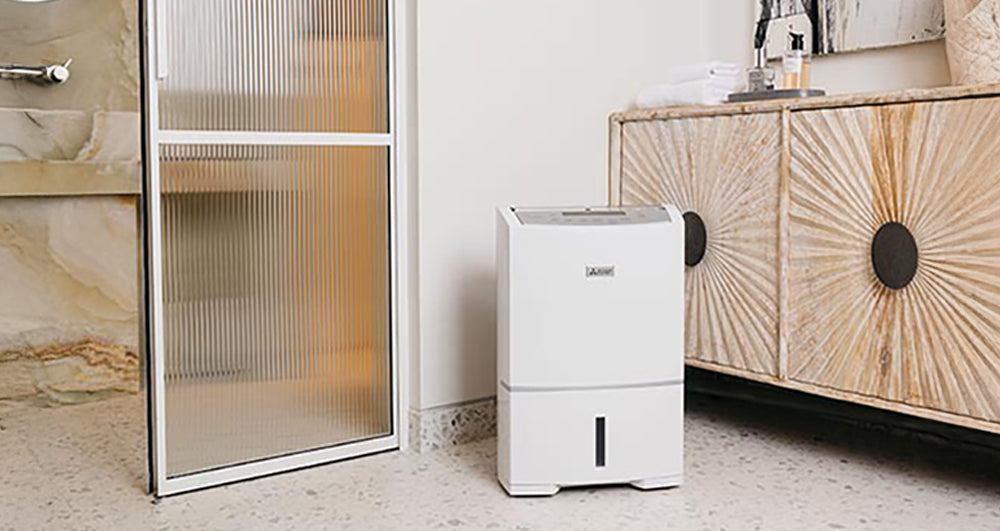
10L–13L, 16L and 23L+ dehumidifiers are suitable for different room sizes and household needs.
| Capacity | Approx. Suitable Space | Best For | Less Suitable For |
|---|---|---|---|
| 10L–13L | Approx. 8–15m² / 85–160 sq ft | Small bedroom, study, single room, mild dampness, targeted local use | Large living rooms, long laundry drying sessions, heavy dampness |
| 16L | Approx. 15–25m² / 160–270 sq ft | Medium bedroom, dining room, small living room, bedroom plus occasional laundry drying, general family use | Large open spaces, very damp rooms, long whole-home use |
| 23L or above | Approx. 25–40m²+ / 270–430 sq ft+ | Living room, large bedroom, open space, frequent indoor laundry drying, homes with heavier dampness | Very small rooms, occasional short use, very limited budgets |
How should UK, EU and HK households choose dehumidifier capacity?
Dampness is not the same in every region. UK and European homes often face winter window condensation, indoor laundry drying and damp bedrooms caused by temperature differences and limited ventilation. Hong Kong homes often deal with higher humidity, rainy seasons and longer periods of damp weather, which may require stronger dehumidifying capacity.
| Region | Common Dampness Issues | Capacity Considerations |
|---|---|---|
| UK | Winter window condensation, damp bedrooms, indoor laundry drying, older homes | 13L–23L is often practical; 16L–23L is useful for laundry drying or living rooms |
| EU | Varies by country and region; some homes have significant winter indoor moisture | Choose based on room size, ventilation, winter dampness and laundry drying needs |
| HK | High humidity, rainy seasons, long damp periods, clothes drying slowly | 16L–23L or above is often more practical, especially for daily family use or rotating between rooms |
What size dehumidifier do you need for indoor laundry drying?
Indoor laundry drying releases a large amount of moisture into the air, so you usually need a higher capacity than room size alone would suggest. A 10L–13L dehumidifier may work for small rooms and small laundry loads, but if you have more clothes or want faster drying, a 16L or 23L model will usually be more practical.

For indoor laundry drying, capacity, airflow direction, room enclosure and laundry mode can all affect drying results.
| Laundry Drying Situation | Suggested Capacity |
|---|---|
| Small room, small laundry load, occasional drying | 10L–13L can be considered |
| Bedroom or small living room drying, average family laundry load | 16L is more practical |
| Frequent washing, larger family laundry loads, faster drying desired | 23L or above is more suitable |
If you cannot open windows often during the UK winter, or clothes take too long to dry during humid Hong Kong weather, a larger-capacity dehumidifier will usually be more useful. You can also read our laundry drying guide:
Does a Dehumidifier Help Dry Clothes Indoors? Laundry Drying, Musty Smell and Energy Use Guide
What size dehumidifier do you need for window condensation or damp walls?
Window condensation is common in UK and EU homes during winter, especially when there is a large temperature difference between indoors and outdoors, poor ventilation or indoor laundry drying. A dehumidifier can help lower indoor humidity and reduce moisture on windows, but it cannot solve every structural, leakage or ventilation issue.
For a small bedroom or local window condensation, a 10L–13L model may be a starting point. For living rooms, open spaces or multiple rooms with noticeable dampness, 16L–23L will usually be more practical. If walls are persistently wet, there is water ingress, severe mould or leakage, you should also address the source of the problem.
If your home has leaks, water ingress, severe mould or long-term wet walls, a dehumidifier can help control air humidity, but you should also check ventilation, windows, walls and building issues.
For more advice on damp homes and window condensation, read:
What is the difference between water tank size and daily extraction capacity?
Daily extraction capacity refers to how much moisture the machine can remove from the air. Water tank size refers only to how much water the tank can hold. Many people see 23L/day and assume the water tank is 23L, but in reality the tank may be around 5L. In very damp conditions, this means the tank may need emptying more than once a day.
If you plan to use a dehumidifier for long periods, especially for indoor laundry drying in the UK or Europe, or during humid seasons in Hong Kong, it is worth checking the water tank size and whether the model supports continuous drainage. Continuous drainage allows water to drain away directly, reducing the need to empty the tank frequently.
Is a larger dehumidifier always better?
A larger dehumidifier is not always better. It depends on your actual home and usage. Larger-capacity models can usually remove moisture faster and are more suitable for large rooms, indoor laundry drying and heavier dampness. However, they may also be larger in size, higher in price, and their power use and operating noise should be compared by model.
| Benefits of a Larger Dehumidifier | Things to Consider |
|---|---|
| Faster moisture removal | The unit is usually larger |
| Better for large rooms or living rooms | Usually more expensive |
| More suitable for indoor laundry drying | Power use should be compared by model |
| Useful in heavier dampness | A very small room may not need a large capacity |
If your space is small and only mildly damp, 10L–13L may be enough. If you often dry laundry indoors, have visible window condensation or need to use the machine in a living room, 16L–23L will usually be more practical.
Quick capacity guide by household situation
| Household Situation | Suggested Capacity |
|---|---|
| Small bedroom, study, mild dampness | 10L–13L |
| Bedroom plus occasional laundry drying | 13L–16L |
| Medium room, everyday family use | 16L |
| Living room, large room, frequent laundry drying | 16L–23L |
| Heavy dampness, high-humidity region, larger family laundry loads | 23L or above |
| One unit used between several rooms | 16L–23L, and check for wheels / handle |
Recommended dehumidifier capacities and models
The following models are grouped by room size, dampness level and typical use. Different brands may use different test conditions and operating modes, so always compare capacity, water tank size, continuous drainage, laundry mode and ease of movement before choosing.
10L–13L: Small rooms, bedrooms and mild to moderate dampness

MITSUBISHI Dehumidifier | MJ-E Series (10L / 13L)
MITSUBISHI MJ-E Series is a Japan-made compact dehumidifier suitable for small rooms, bedrooms, studies and mild to moderate dampness. The 10L / 13L capacity is practical for targeted room use, with smart laundry / night laundry modes, a 4.7L tank, wheels, internal drying and humidity settings.
View Product13L–16L: Everyday family use, bedroom plus laundry drying

SHARP Dehumidifier | DW-RN23A-W (13L)
SHARP DW-RN23A-W is a practical compact inverter option for everyday room dehumidifying and light to moderate indoor laundry drying. It features a DC inverter motor, auto and laundry drying modes, adjustable airflow, a 3.8L tank, continuous drainage, wheels and child lock.
View Product
MITSUBISHI Dehumidifier | MJ-EV / MJ-E Series (16L / 23L)
MITSUBISHI MJ-EV / MJ-E Series is suitable for everyday family dehumidifying, bedrooms with laundry drying and larger rooms. The 16L model is suitable for general daily use, while the 23L model is more suitable for larger rooms, indoor laundry drying and heavier dampness. Features include intelligent laundry drying, bathroom mildew guard, internal drying, PM2.5 filtration, timer, child lock and wheels.
View Product23L or above: Large rooms, laundry drying and heavier dampness

MITSUBISHI BIKUKAN Air Purifying Dehumidifier | MJ-EHV / MJ-EH Series
MITSUBISHI BIKUKAN MJ-EHV / MJ-EH Series combines dehumidifier, air purifier and deodoriser functions, making it suitable for households that want to manage dampness, air quality and odours together. The 23L model is suitable for larger spaces, living rooms, laundry drying and heavier dampness, with a 5.5L tank, continuous drainage, PM2.5 / odour / filter / water-full indicators and wheels.
View Product
Panasonic Inverter Dehumidifier | F-YVB38H (23.6L)
Panasonic F-YVB38H is a premium large-capacity inverter dehumidifier suitable for large rooms, laundry drying, shoe / wardrobe drying and heavier dampness. It features 23.6L energy label extraction capacity, nanoe® X Mark 3, W-HEXS dual dehumidification, ECONAVI, 9 operating modes, a 5.5L tank, continuous drainage and 40–70% humidity settings.
View ProductHow to choose the right dehumidifier capacity for your home
If you are still not sure whether to choose a 10L, 16L or 23L dehumidifier, start by asking these questions:
- Where will you mainly use it: bedroom, living room, laundry room or several rooms?
- Do you often dry laundry indoors?
- Do you have window condensation, damp walls or musty smells?
- Are you dealing with UK / EU winter dampness or HK high-humidity conditions?
- Do you want a compact and quiet machine, or do you need faster moisture removal?
Quick Recommendation
- Small room: 10L–13L
- General everyday home use: around 16L
- Laundry drying / large space / heavier dampness: 23L or above
Related Reading: Learn More About Dehumidifier Use and Buying
FAQ
Q: Is a 10L dehumidifier enough?
A: A 10L–13L dehumidifier is suitable for small bedrooms, studies, mild dampness or targeted room use. If you need to dry laundry, manage a large room or deal with heavier dampness, it may not be fast enough.
Q: What room size is a 16L dehumidifier suitable for?
A: A 16L dehumidifier is roughly suitable for medium rooms of around 15–25m² / 160–270 sq ft, such as a medium bedroom, dining room, small living room, or a bedroom with occasional laundry drying. Actual performance still depends on humidity, temperature and ventilation.
Q: Is a 23L dehumidifier too big?
A: If you only use it occasionally in a small bedroom, 23L may not be necessary. But for living rooms, large rooms, frequent indoor laundry drying or homes with heavier dampness, 23L is often more practical.
Q: What size dehumidifier do UK homes need?
A: For small rooms, 10L–13L may be enough. If you have window condensation, indoor laundry drying or need to use it in a living room, 16L–23L is usually more practical.
Q: Do Hong Kong homes need a larger dehumidifier?
A: Hong Kong has high humidity and longer damp periods. If you often dry laundry indoors, clothes take a long time to dry, or you want one unit to use between rooms, 16L–23L is usually more practical.
Q: Is the L rating the same as water tank size?
A: No. The L rating usually refers to daily extraction capacity, while the water tank size refers to how much water the tank can hold. A 23L/day dehumidifier does not mean the tank holds 23L.
Q: Is a larger-capacity dehumidifier more energy efficient?
A: Not always. A larger-capacity model may reduce humidity faster, but actual energy use depends on compressor or inverter design, running time, humidity setting and room conditions.
Conclusion: Choose by room size, laundry needs and dampness level
When choosing a dehumidifier, do not look only at the 10L, 16L or 23L number. The rating usually refers to daily extraction capacity, and it should be considered together with your actual home environment. A 10L–13L model may suit small rooms or mild dampness; around 16L is practical for general family use; and 23L or above is more useful for indoor laundry drying, large rooms, heavier dampness or high-humidity regions.
For UK and EU homes, winter window condensation, indoor laundry drying and older-home dampness are common considerations. For HK homes, high humidity and longer damp seasons often make larger-capacity dehumidifiers more flexible for daily use.
Not sure whether a 10L, 16L or 23L dehumidifier is best for your home?
Browse OurDearHome’s selected dehumidifier range and choose by room size, laundry drying needs, dampness level and household use.
Browse Dehumidifiers